


Odoslať spätnú väzbu
Kvapalina kremičitanu sodného Dodávatelia
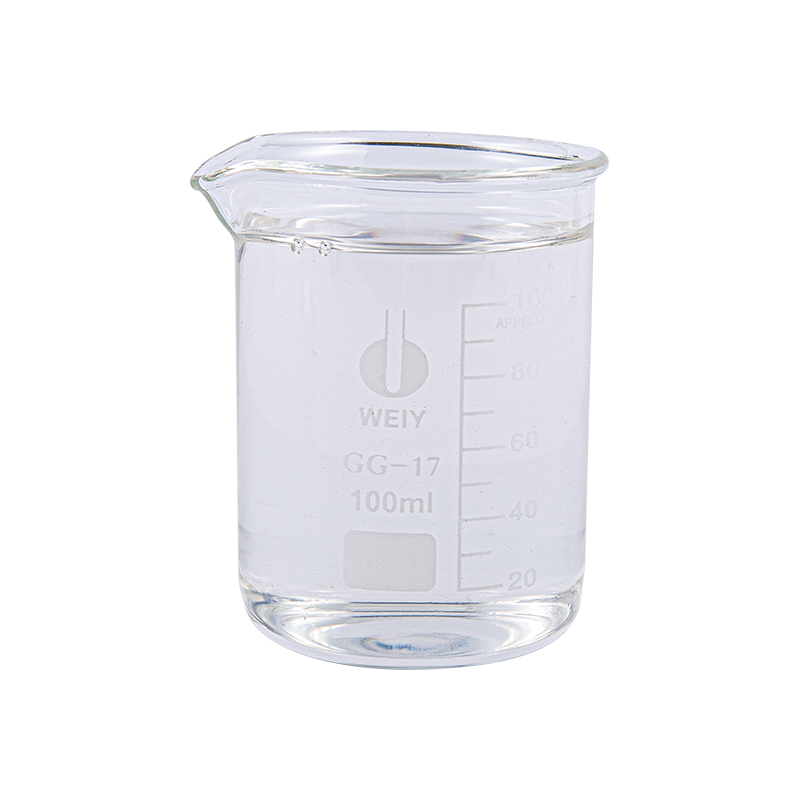
Kvapalný kremičitan sodný je bezfarebná až mierne červenkastá priehľadná alebo priesvitná viskózna kvapalina. Je obľúbený pre svoju vysokú viskozitu, tepelnú odolnosť a dobrú vodeodolnosť.
V stavebníctve sa tekutý kremičitan sodný používa ako zvýrazňovač betónu a malty, čím sa zlepšuje pevnosť a trvanlivosť materiálu. Okrem toho hrá dôležitú úlohu v oblastiach, ako je textil, výroba papiera a ťažba ropy. Používa sa napríklad ako glejivo na textílie, lepidlo pri výrobe papiera a prísada do vrtných kvapalín pre ropné polia.
Pri skladovaní a používaní tekutého kremičitanu sodného je potrebné postupovať opatrne vzhľadom na jeho silnú zásaditosť a vyhýbať sa priamemu kontaktu s pokožkou a očami.
O
Tongxiang Hengli Chemical Co., Ltd.
Tongxiang Hengli Chemical Co., Ltd. špecializuje sa na výrobu anorganických kremíkových produktov, my sme Čína Kvapalina kremičitanu sodného Dodávatelia a
Vlastné Kvapalina kremičitanu sodného Továreň, Naše produkty ponúkame s viac ako 30 druhmi produktov vrátane kremičitanu sodného, kremičitanu draselného, kremičitanu lítneho, silikónu kremičitého, metylsilikátu draselného a anorganických lepidiel odolných voči vysokým teplotám. Ponúkame spracovanie OEM, neváhajte nás kontaktovať a prispôsobiť rôzne moduly a koncentrácie. Kvapalina kremičitanu sodného.
V roku 2015 sa spoločnosť ako celok presťahovala do zóny hospodárskeho rozvoja Fengming v meste Tongxiang a rozprestiera sa na ploche 18 akrov s rozlohou budovy takmer 30 000 metrov štvorcových. Spoločnosť má jedného technického pracovníka na národnej úrovni a troch vedúcich technických pracovníkov.
Integrujte vývoj produktov, výrobu a predaj! Produkt sa široko používa v odvetviach ako elektronika, odevný a papierenský priemysel, poľnohospodárstvo, nátery na vodnej báze, odlievanie do pieskových foriem, presné odlievanie a žiaruvzdorné materiály. Úprimne vítame spoluprácu s vami, aby sme spoločne vytvorili lepšiu budúcnosť!
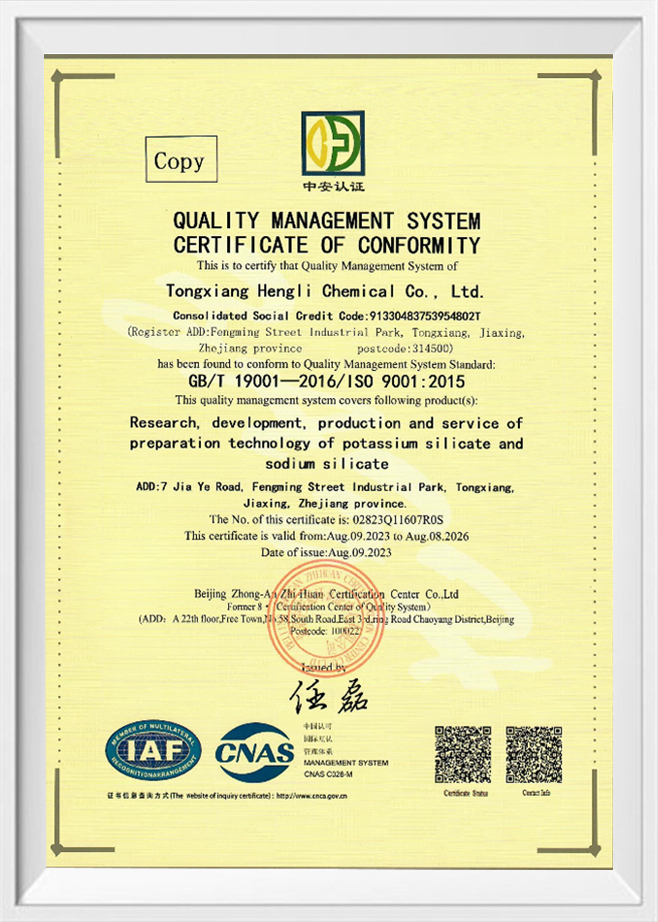
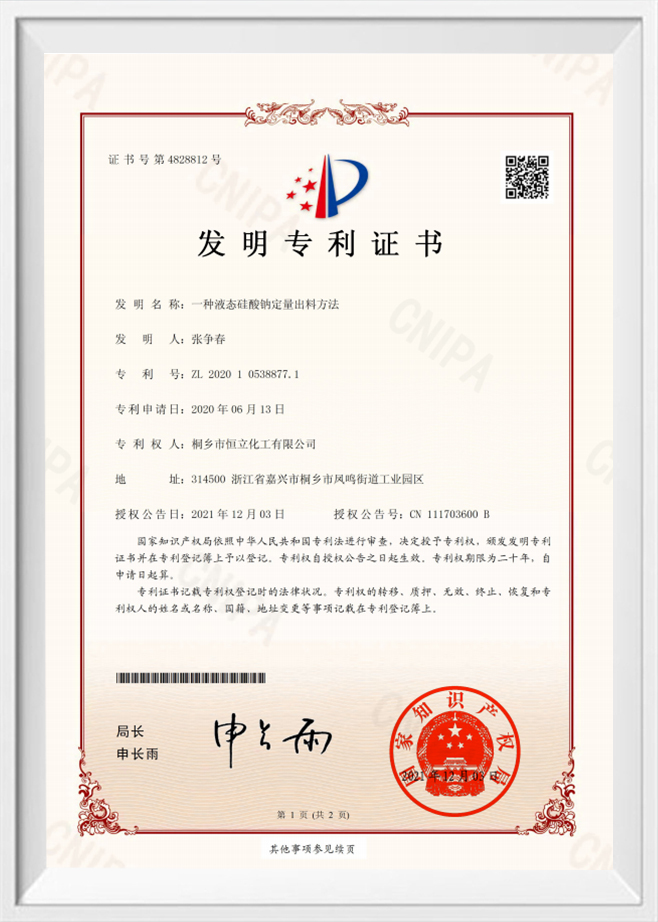
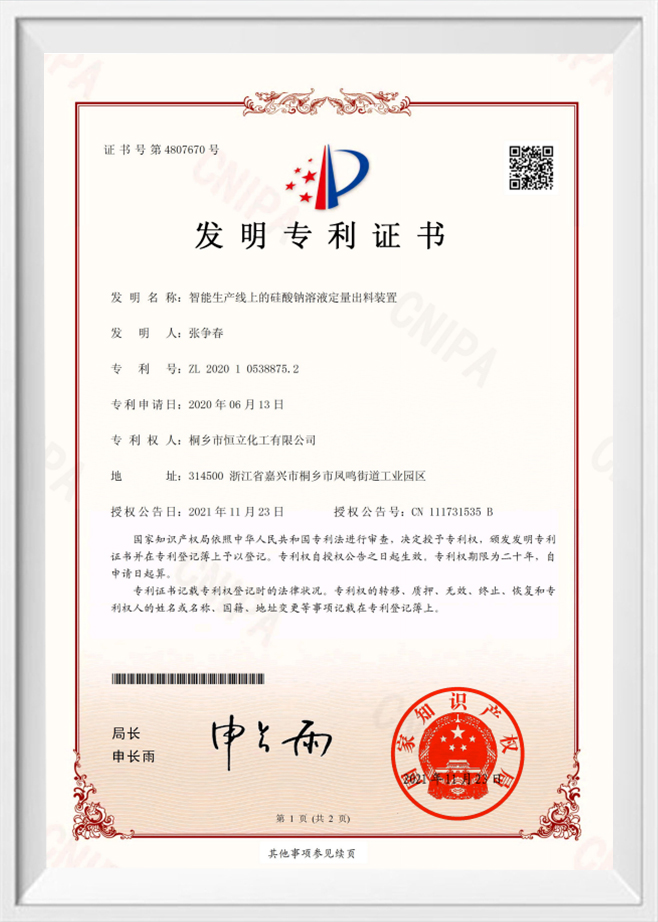
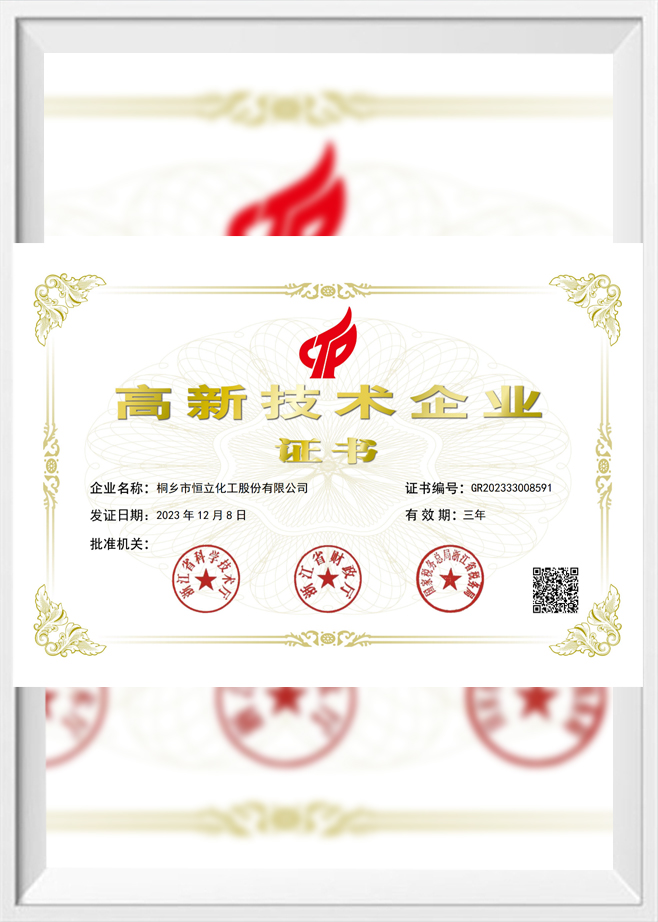
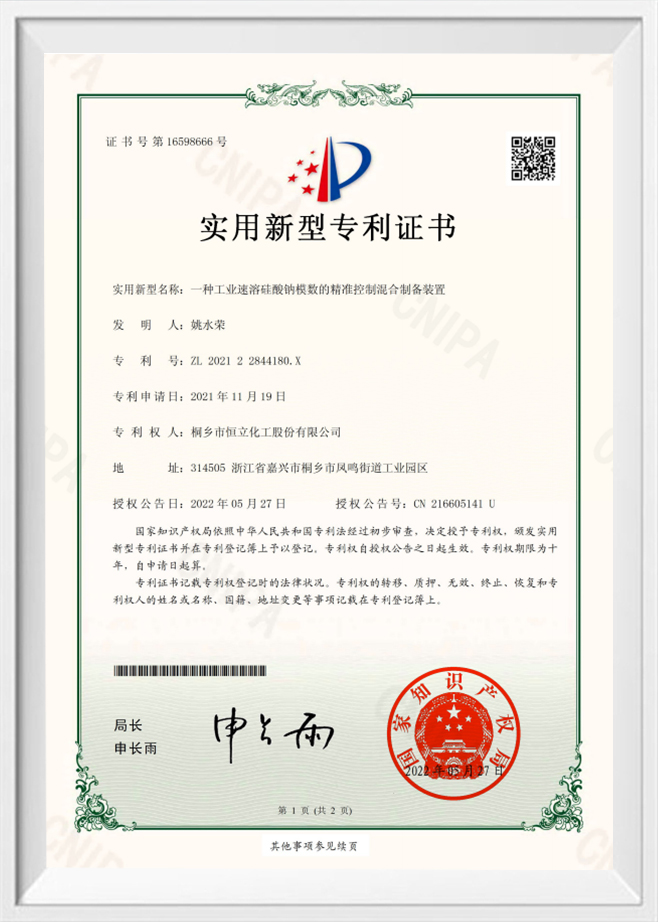
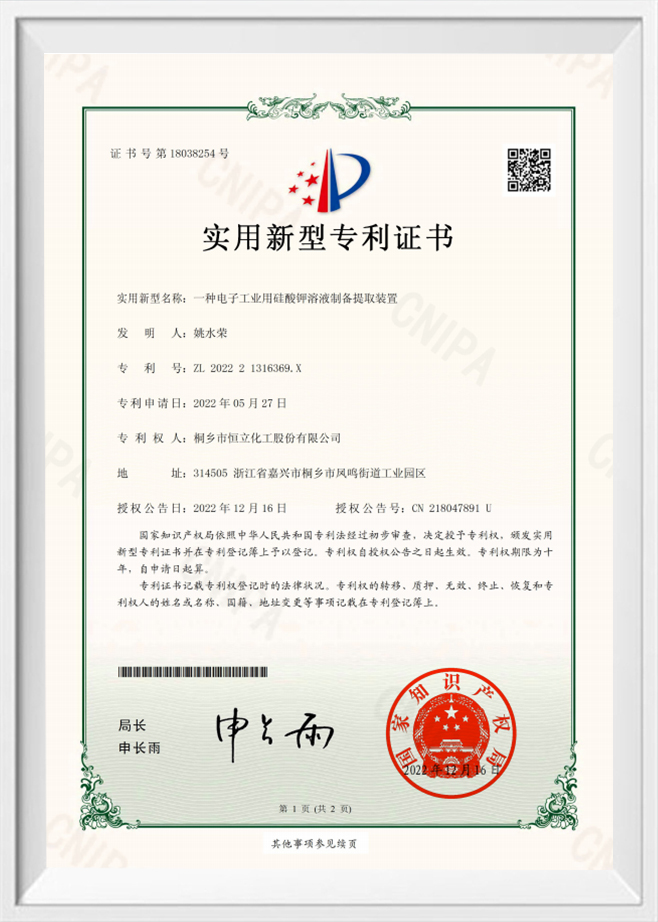
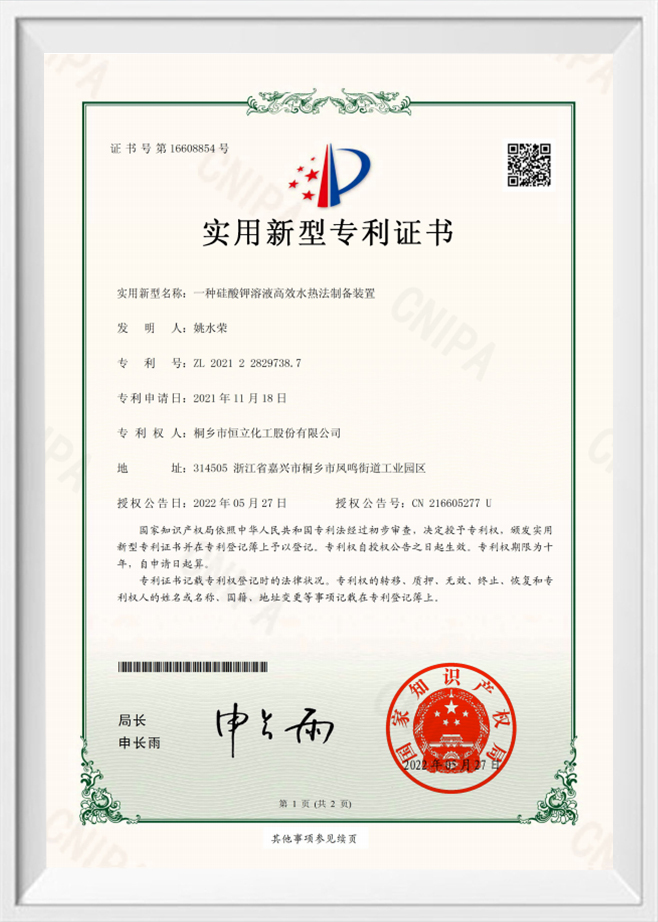
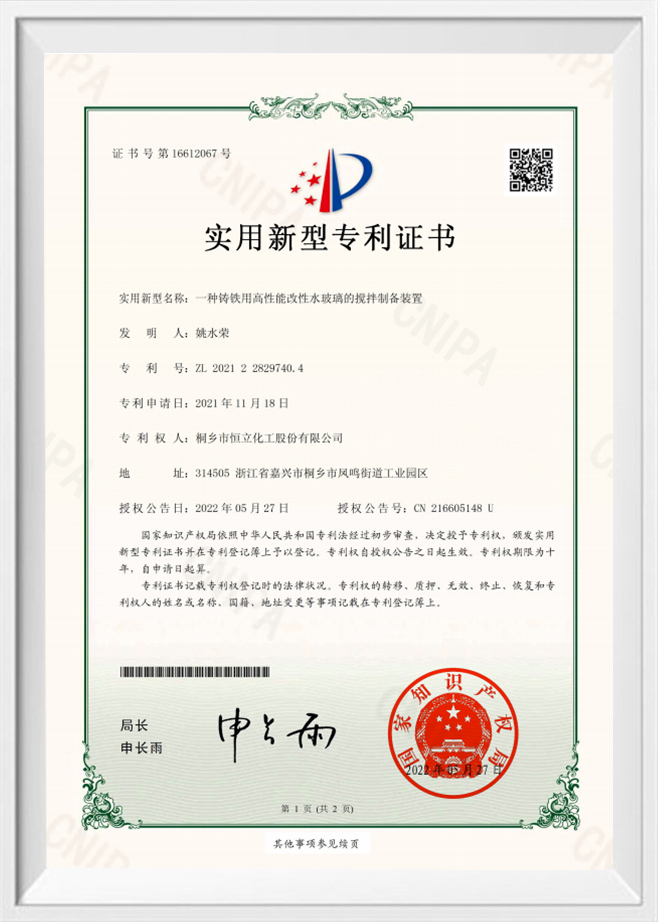
Čestný certifikát
Správy
-
Úvod Výroba z kremičitan draselný riešenia zohrávajú kľúčovú úlohu v rôznych priemyselných odvetviach, ako je poľnohospodárstvo, stavebníctvo a chemické inžinierstvo. Tieto roztoky, vyrobe...
ČÍTAŤ VIAC -
Úvod V posledných rokoch vzrástol dopyt po vysokovýkonných vodoodpudivých produktoch kvôli rastúcemu zameraniu na odolnosť a ochranu v rôznych priemyselných odvetviach. Jednou z najdôležitejších zložiek...
ČÍTAŤ VIAC -
Úvod Prášok kremičitanu sodného , bežne označované ako vodné sklo alebo tekuté sklo vo svojej tekutej forme, je vysoko všestranná zmes so širokým rozsahom aplikácií vo viacerých odvetviach....
ČÍTAŤ VIAC
Spätná väzba k správe
Kvapalina kremičitanu sodného Znalosť odvetvia
Liquid sodium silicate in the textile and papermaking industry: functional analysis of dyeing auxiliary and bleaching stabilizer
Liquid sodium silicate (Na2O·nSiO2, commonly known as "water glass") plays an important role in the textile and papermaking industry due to its excellent adhesion, pH adjustment ability, stability and environmental protection characteristics. This article will explore its functional principles and industrial applications in dyeing auxiliary, bleaching stabilizer, etc.
1. Application of liquid sodium silicate in the textile industry
(1) As a dyeing auxiliary
Functional principle:
pH buffer: Sodium silicate solution is alkaline (pH 11~12), which can maintain a stable pH environment in the dye bath and promote the chemical bonding of active dyes with fibers (such as cotton and linen).
Dispersant: Prevents dye aggregation, improves dyeing uniformity, and reduces color spots.
Soaping auxiliary: Helps remove unfixed dyes in the subsequent soaping process and improves color fastness.
Application cases:
Used in dyeing cotton fabrics with reactive dyes, it can reduce the amount of electrolytes (such as sodium sulfate) used and reduce costs.
(2) Stabilizer in bleaching process
Synergistic effect with hydrogen peroxide (H₂O₂):
Sodium silicate can stabilize the decomposition rate of hydrogen peroxide to avoid fiber damage (such as holes in cotton cloth) caused by too fast decomposition.
By complexing heavy metal ions (such as Fe³⁺, Cu²⁺), it prevents catalytic side reactions and improves bleaching efficiency.
Alternative solutions:
Under the trend of environmental protection, some companies have switched to organic stabilizers (such as EDTA substitutes), but sodium silicate is still widely used due to its low cost and stable effect.
2. The role of liquid sodium silicate in the papermaking industry
(1) Pulp Bleaching Stabilizer
Chemical pulp bleaching (such as KP process, sulfate pulp):
In the ECF (elemental chlorine-free bleaching) and TCF (total chlorine-free bleaching) processes, sodium silicate is combined with H₂O₂ to improve whiteness and reduce fiber degradation.
Inhibit the ineffective consumption of bleaching agents by transition metal ions and reduce the amount of chemicals used.
Waste paper deinking process:
Enhance the effect of deinking agents, help separate ink particles, and improve the quality of recycled pulp.
(2) As a retention aid
The colloidal properties of sodium silicate can improve the retention rate of fine fibers and fillers and reduce the loss of raw materials in the papermaking process.
3. Technical challenges and development trends
Environmental pressure: Highly alkaline wastewater needs to be neutralized and treated, which promotes the research and development of low-alkali modified sodium silicate.
Alternative materials: such as silicate-magnesium salt composite system, which takes into account stability and environmental friendliness.
Intelligent control: Optimize the amount of sodium silicate added by real-time monitoring of pH and metal ion concentration.

Produkty
Kremičitan sodný Silikát draselný Lítiumsilikát Metylsilikát sodný Metylsilikát draselný Koloidný oxid kremičitý Anorganické nátery a spojivá Podlahový systémKontakt
Add:č. 7 Jiaye Road, mesto Tongxiang, provincia Zhejiang, Čína Telefón:+86-15257095913 Tel: +86-0573-88980238 Mob: +86-0573-88980238 E-mail:[email protected]
Autorské práva © 2024 Tongxiang Hengli Chemical Co., Ltd. Všetky práva vyhradené.
Vlastné Kvapalina kremičitanu sodného Dodávatelia
